Hempel Foundation Launches “The Wilderness”; A future Hub for Nature Restoration in Denmark
Hempel Foundation has acquired three new nature sites: the Mols laboratory, the Asnæs Peninsula, and Nørholm Estate – with the vision of creating a hub for nature restoration in Denmark.
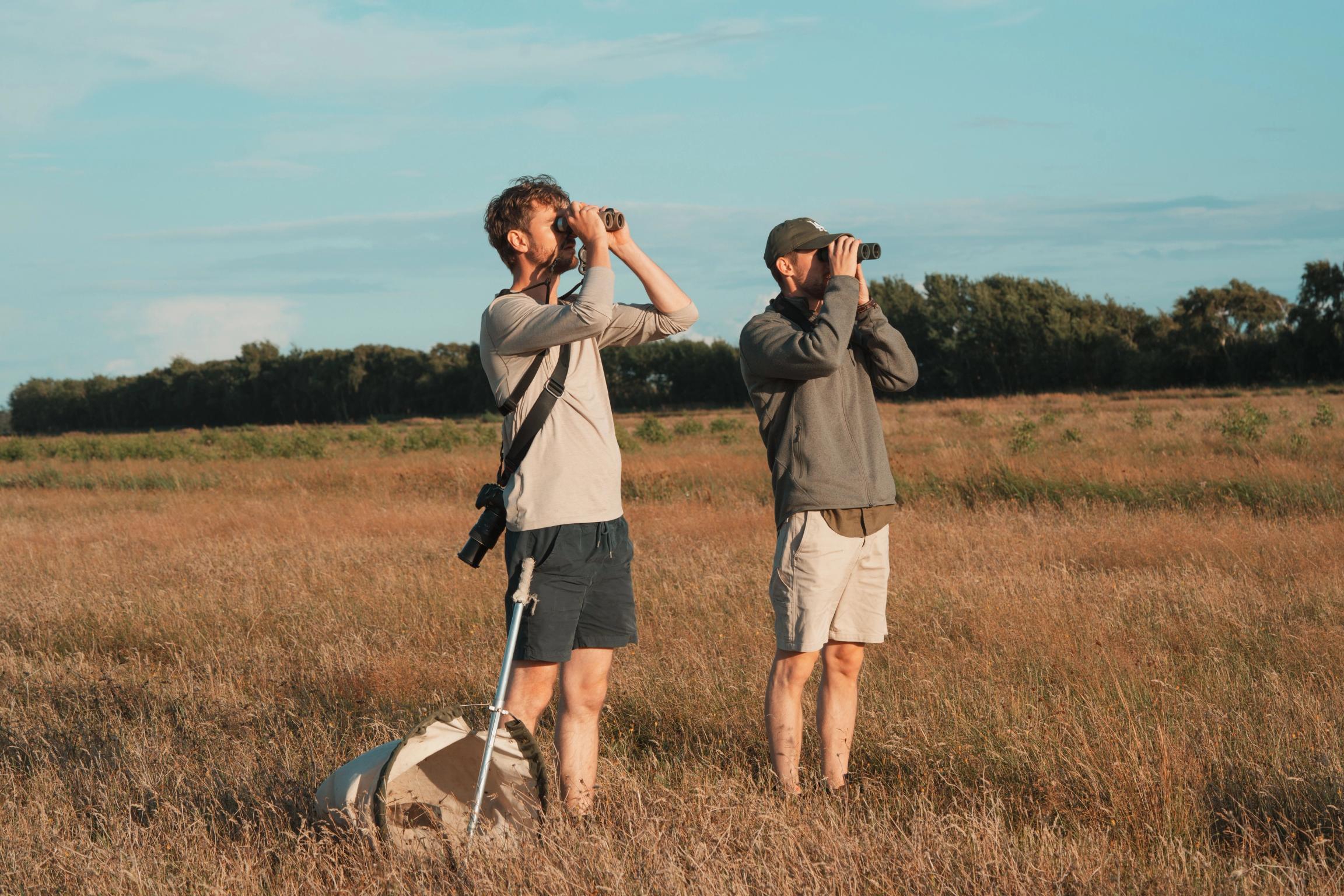
Together with the existing Saksfjed Wilderness, these acquisitions form the foundation of The Wilderness, an initiative designed to unite research, education, and practical action to identify the most effective ways to transform land taken out of production and allow it to return to biodiversity-rich nature.
The Wilderness will bring together researchers, students, and practitioners to find answers to how Denmark can achieve the greatest possible biodiversity benefits when converting degraded land back to wild nature.
The initiative will support Denmark’s ongoing national development, as mandated by the Green Tripartite Agreement, and explore how Denmark can meet its binding international biodiversity obligations under the Europe and the UN.
“With The Wilderness, we will bring together researchers from Denmark and abroad, students, practitioners, and nature enthusiasts to identify the solutions that deliver the greatest biodiversity impact for the investment, as Denmark prepares to convert large areas of land into nature. At the same time, we will rethink nature communication and help strengthen public understanding of nature – while we, in practice, convert four highly significant areas in Denmark into biodiversity-rich landscapes,” says Anders Holm, CEO of the Hempel Foundation.
The Wilderness will:
- Develop and implement large-scale nature restoration cases using rewilding as a method, in collaboration with researchers.
- Support researchers and students by providing access to land and facilities to help create the best solutions.
- Help connect rewilding projects across Denmark and Europe to ensure shared learning.
- Communicate knowledge and evidence about what works in practice to landowners, nature managers, and other key decision-makers.
- Inspire new projects and foster a deeper understanding of nature among children and young people through innovative outreach and teaching.
The four wilderness areas, covering a total of nearly 2,500 hectares, represent widely different habitat types with different challenges – and therefore require different solutions.
The Mols laboratory, will become the physical center of The Wilderness, hosting a wide range of activities.
The Hempel Foundation have already entered into cooperation agreements with both Aarhus University and the University of Copenhagen, ensuring that research activities are launched immediately and that field-based teaching is significantly strengthened so that more future biologists receive training within The Wilderness.
“With The Wilderness, we are creating an ambitious new framework where research, education, and practice go hand in hand. The goal is to develop and test solutions that can set new standards for nature restoration in Denmark – while contributing to international progress in the field. We want to support and facilitate access to knowledge and inspiration for anyone working with, or wishing to work with, biodiversity,” says Thor Hjarsen, Project Director and Senior Biologist at the Hempel Foundation.
The research community sees great potential in the initiative and the new collaborations. At Aarhus University, Professor Jens-Christian Svenning looks forward to the new national knowledge that will be generated:
“The Wilderness initiative creates an exceptional national framework for research, teaching, and practice in ecological restoration. The four areas provide unique opportunities to investigate how rewilding — the re-establishment of natural processes — can most effectively promote biodiversity in Danish landscapes. The collaboration makes it possible to develop new knowledge, strengthen field-based teaching, and deliver evidence-based solutions that can support Denmark’s ambitions for nature and biodiversity,” says Jens-Christian Svenning, professor and head of the Danish National Research Foundation’s Center for Ecological Dynamics in a Novel Biosphere (ECONOVO) at Aarhus University.
At the University of Copenhagen, they are also looking forward to the opportunities created by The Wilderness, especially with a focus on connecting research and practice:
“The collaboration with the Hempel Foundation gives our students and future researchers a unique opportunity to follow and investigate some of the most exciting initiatives within biodiversity and nature restoration. Our graduates play a key role in achieving the Green Tripartite Agreement and biodiversity targets, and these ‘natural laboratories’ in The Wilderness provide ideal settings for excursions and fieldwork - something the students both appreciate and are academically strengthened by. The collaboration opens the door to both short projects and multi-year research programmes, which will enhance both our study programmes and research at SCIENCE,” says Andreas de Neergaard, professor and vice-dean for education at the Faculty of Science, University of Copenhagen.