Six Months with Tauros: What We've Learned
Six months is not a long time – especially not in an evolutionary context. Yet recent months have shown us how tauros are changing the landscape and the life around us in Saksfjed Wilderness. With the arrival of the tauros cattle, the landscape has been enriched with new traces, new dynamics, and new experiences – a major event for us, but far from unfamiliar to nature.
In this article, we share the most important experiences, observations, and insights from tauros’ first six months in the wilderness – from the closest encounters to the changes that can already be read in the landscape.
A connection to our ancestors
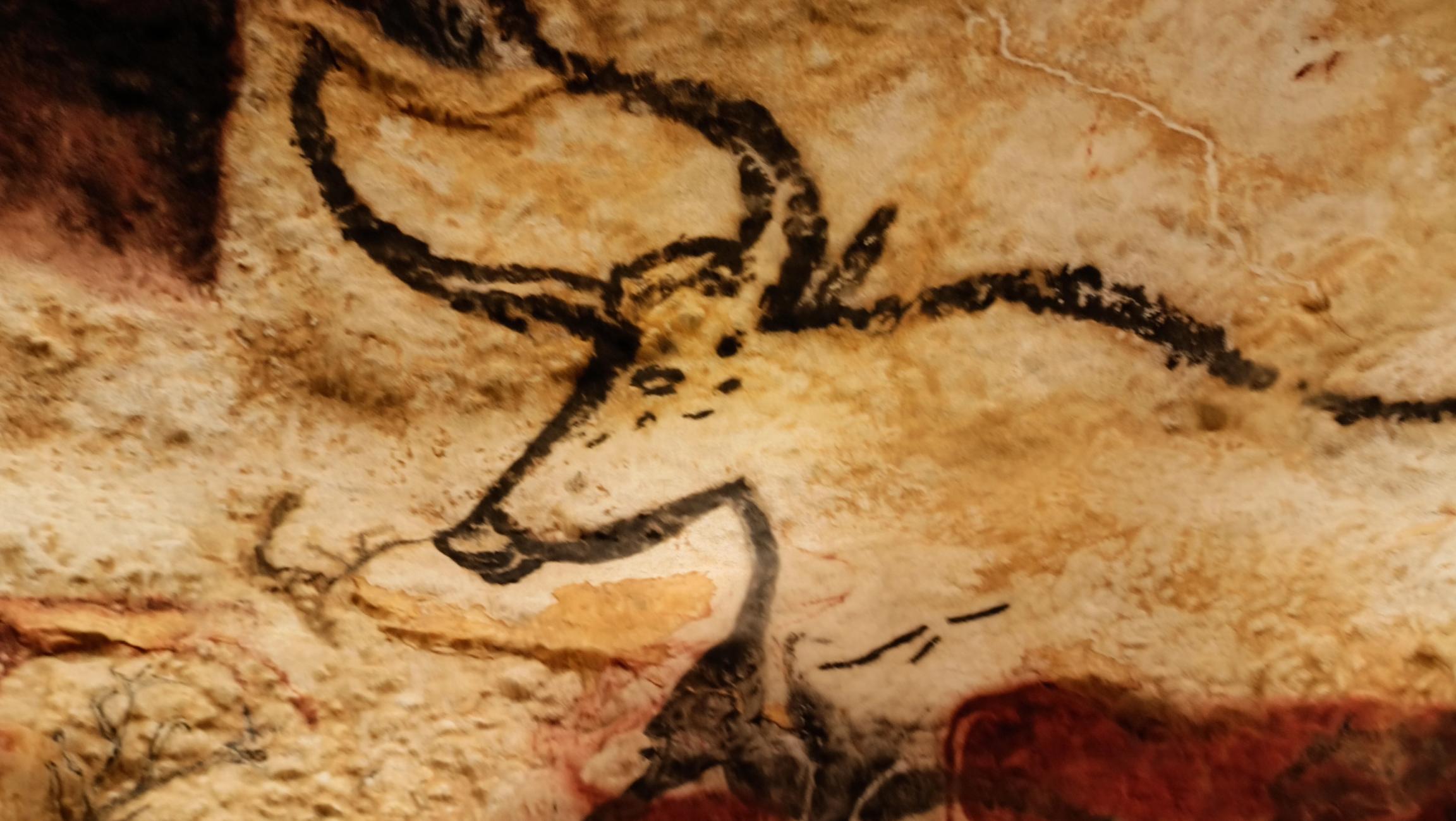
Around 35,000 years ago, the Chauvet Cave in France was decorated by humans with paintings of Europe’s great animals – animals they lived alongside: fighting rhinoceroses, herds of wild horses, cave lions, and not least the aurochs.
The aurochs may have been among humanity’s first “favourite animals” and was immortalised on cave walls as a symbol of the close relationship between humans and nature. But with millennia of land clearance and the hunting of large animals, they disappeared from our surroundings – and from our consciousness. We forgot them.
Now the great, aurochs-like tauros are back in the landscape, and it can be felt. They revive the ecological processes once created by large animals and bring wildness back to nature. With tauros as a living part of the landscape, we can once again experience a more authentic nature, where humans and large animals exist side by side.
Big animals – big impact
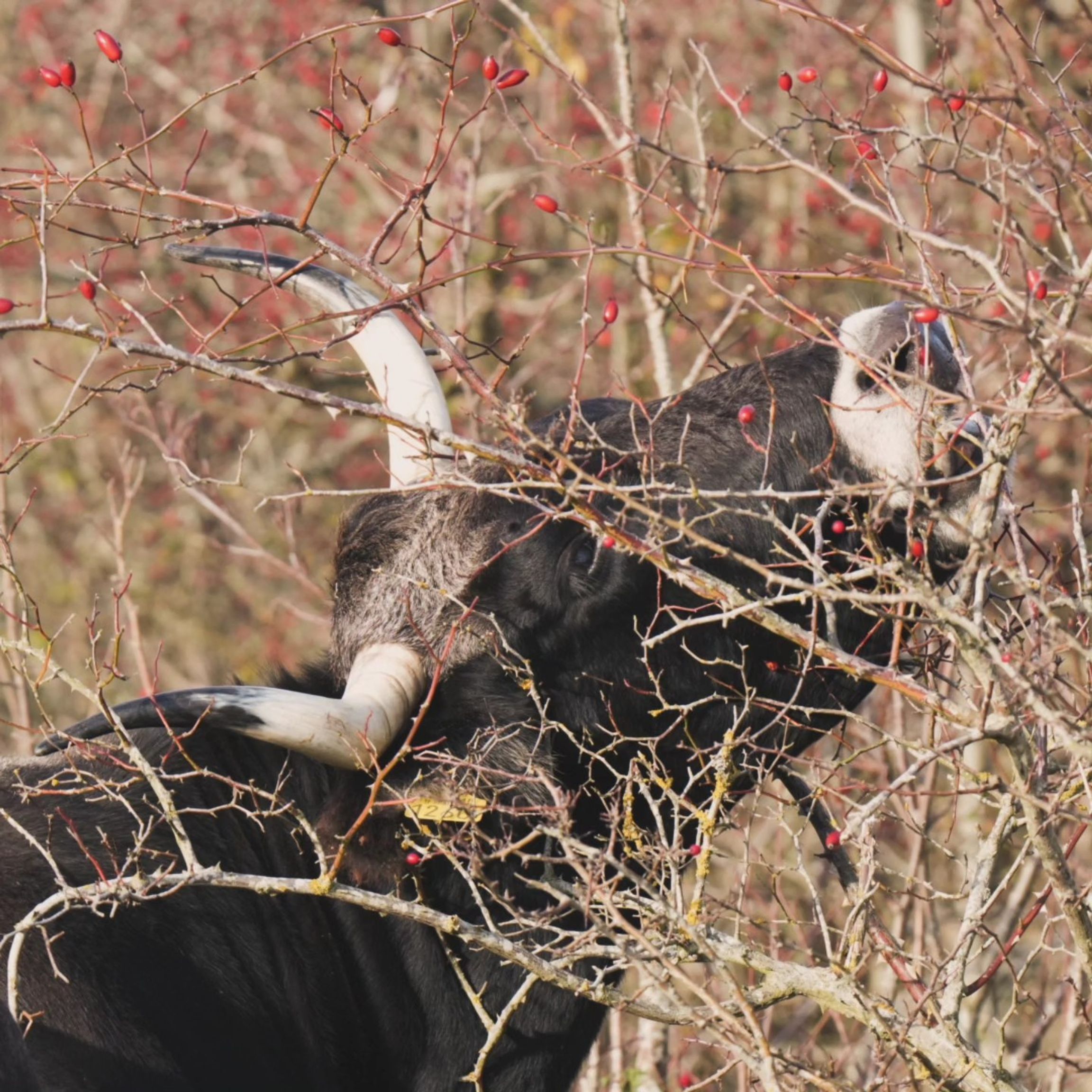
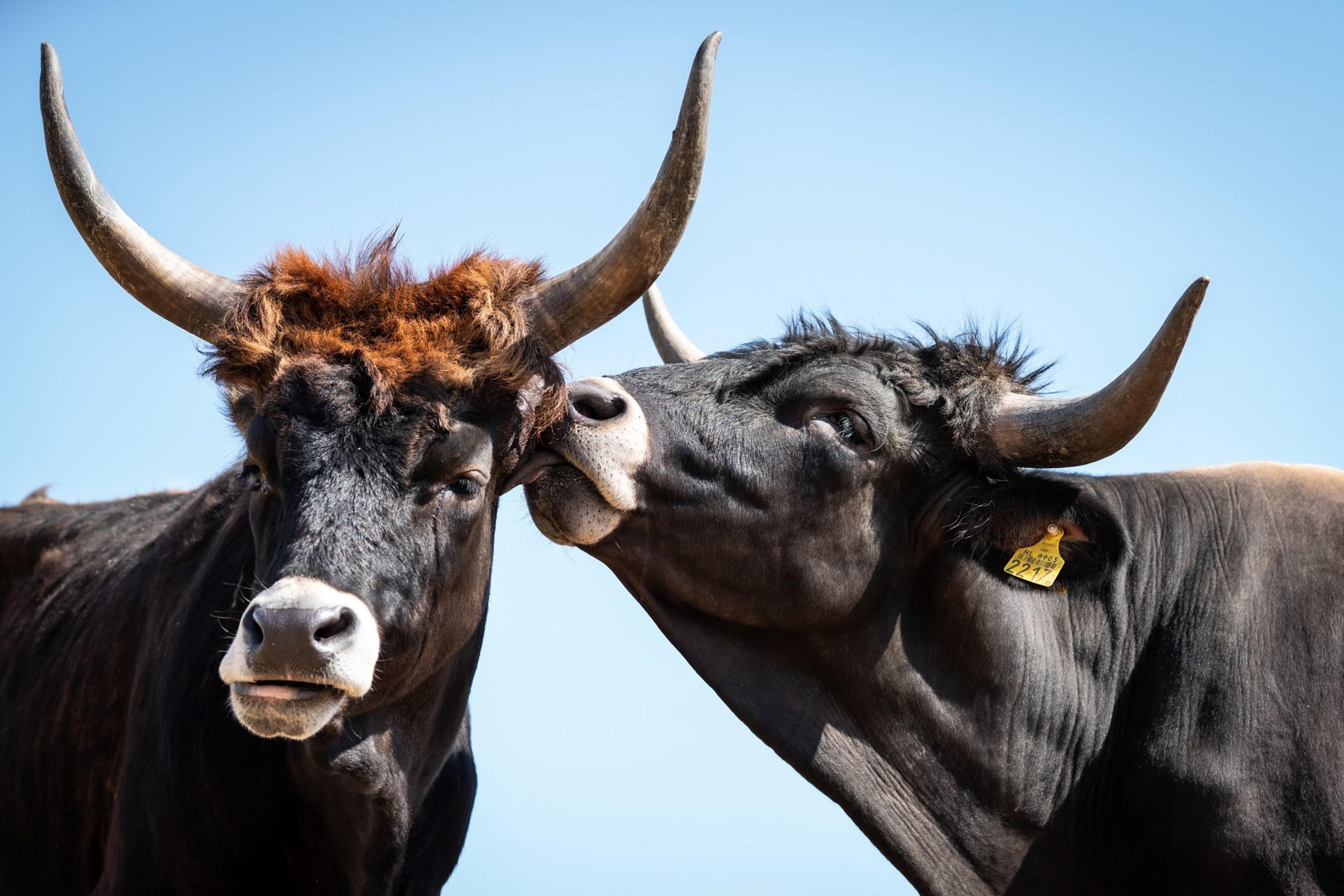
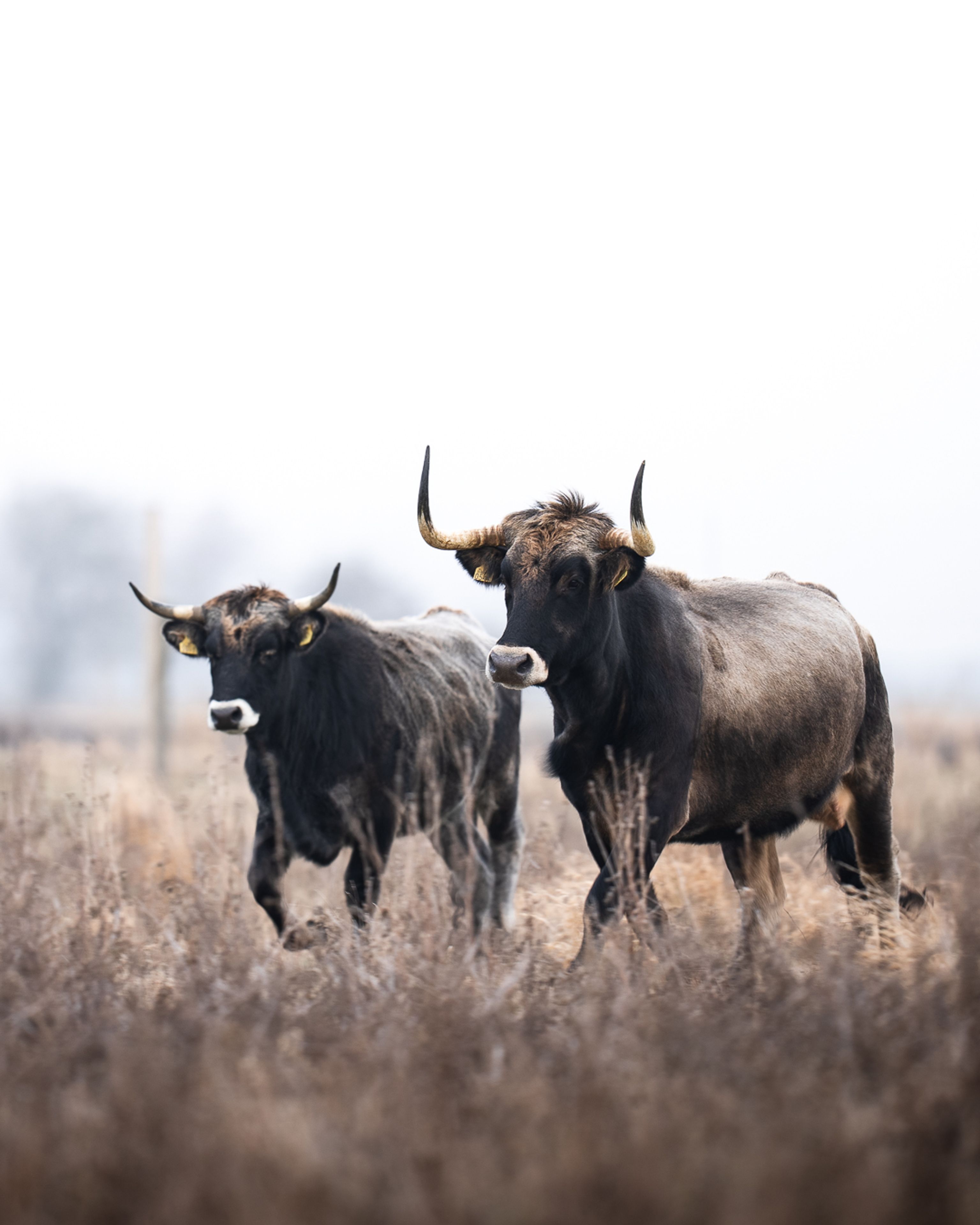
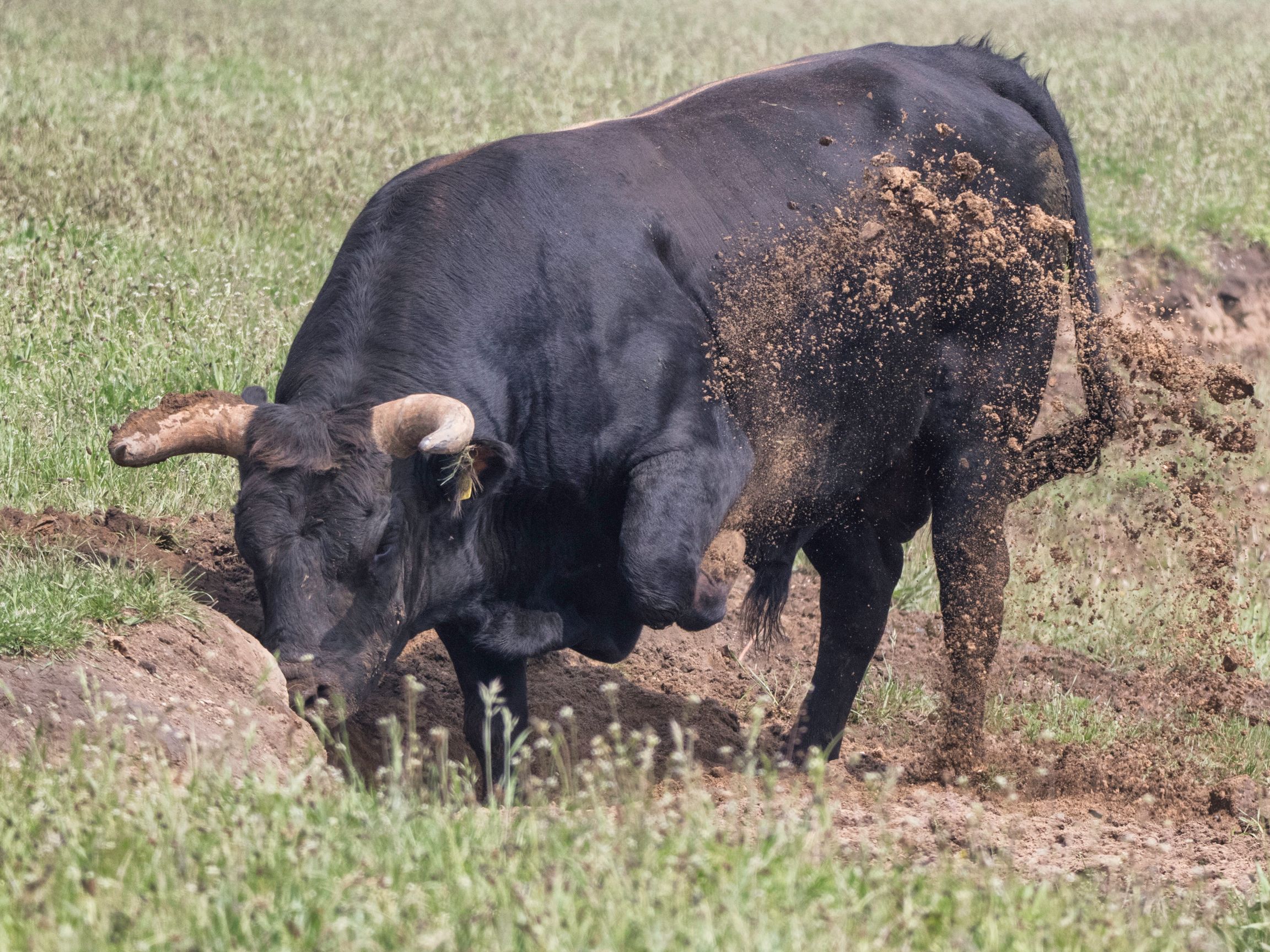
Large herbivores are nothing new in Saksfjed Wilderness, but with the arrival of tauros, the impact on the surroundings has been scaled up significantly. Tauros are considerably larger than the Galloway cattle already roaming Saksfjed. They have long legs, are more mobile, and carry impressive horns.
This means they eat more, leave more traces, and influence the landscape far more strongly. They break larger branches, tackle thorny scrub more uncompromisingly, and dig both bigger and deeper holes. All of these contributions help create variation, dynamism, and new habitats – exactly what a wild landscape needs.
The first Danish-born tauros
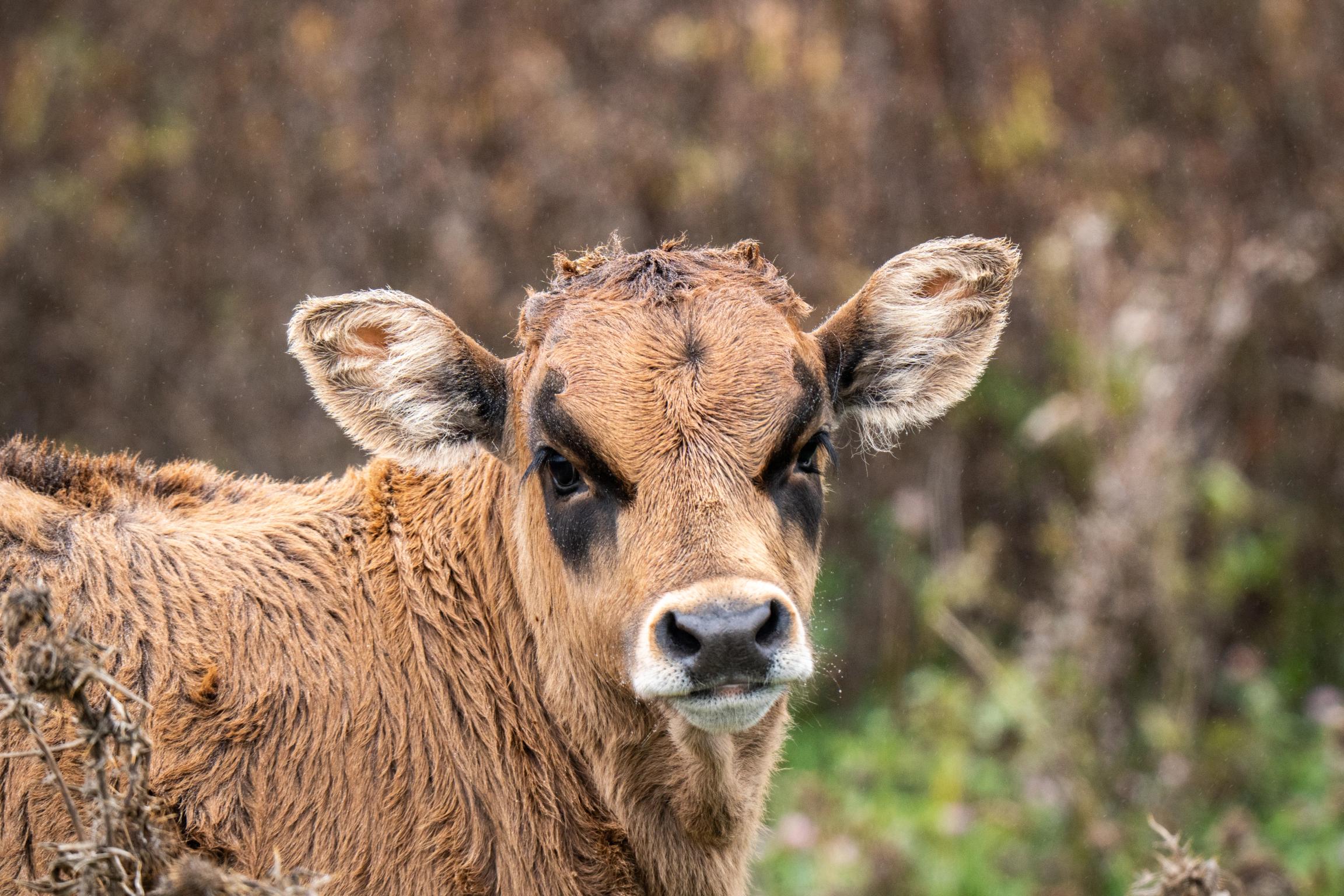
A truly special highlight took place in October, when we were able to welcome the first tauros ever born in Denmark. The Danish-born calf was met with great joy and fascination, and the moment marked a new milestone for both the tauros project and our work to bring large animals back into the landscape.
The excitement of encountering tauros
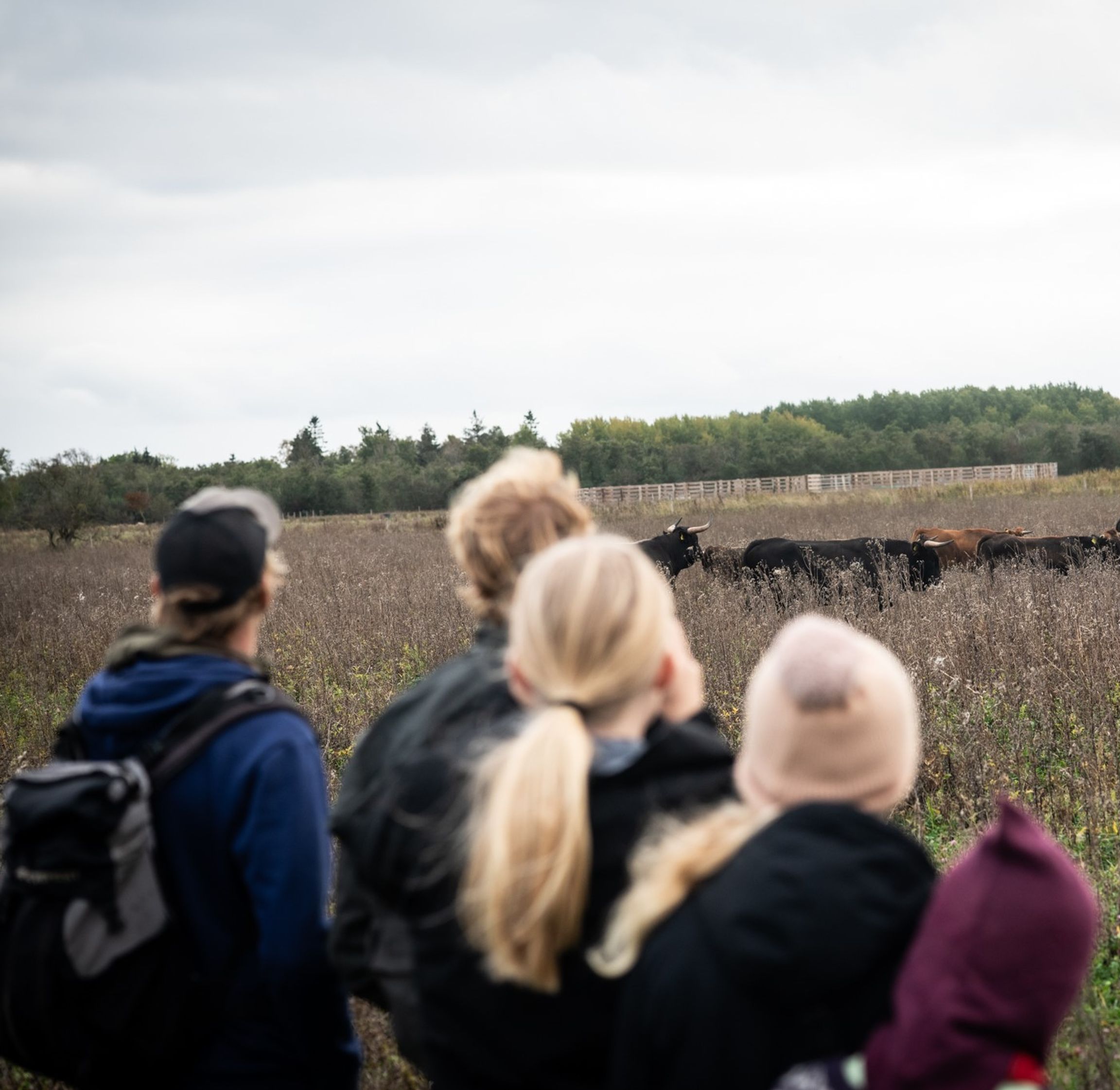
When we hosted tauros safaris in the autumn, the excitement was palpable. Until now, it has often been the horses that drew the most attention and delivered the wow factor, but they have now undoubtedly gained a serious competitor.
“I want to go home and paint a cave painting,” someone exclaimed on one of the tours, where people from all over the country had gathered to see the great horns. And we completely understand why. These aurochs-like animals have had a huge impact – not only on the area itself, but also on the experience it gives us as humans when we suddenly catch sight of them in the landscape.
Half a year in the company of the great grazers
From the very beginning, we have been captivated by the tauros oxen. Countless days and evenings have been spent following them, and they have not disappointed in any way. Everything from chestnut to elder and Canadian fleabane has been munched on, and both yellow wagtails and hen harriers have found perfect feeding areas in the wake of these large herbivores.
The first grass tussock fields have been grazed down, the first sandy wallows have been dug, and the first steps have been taken on the sandy ground – all of which have left clear marks on the landscape.
Spring and summer await, and it will be exciting to see the real impact these heavy animals will have on biodiversity and the landscape as everything comes into bloom.